Dunellen General Contractor for Quality Home Construction Services
Dunellen General Contractor for Quality Home Construction Services
Blog Article
Why Finding the Appropriate General Contractor Is Necessary for Your Project
Determining the right general contractor is a pivotal judgment that can considerably influence a project's completion. A competent contractor assures productive management and adherence to budgets. Their ability to navigate setbacks and copyright lucid communication is indispensable. However, many construction owners miss critical considerations in this selection process. Recognizing these features can point to enhanced results and boosted satisfaction. What should one assess when reaching this notable decision?
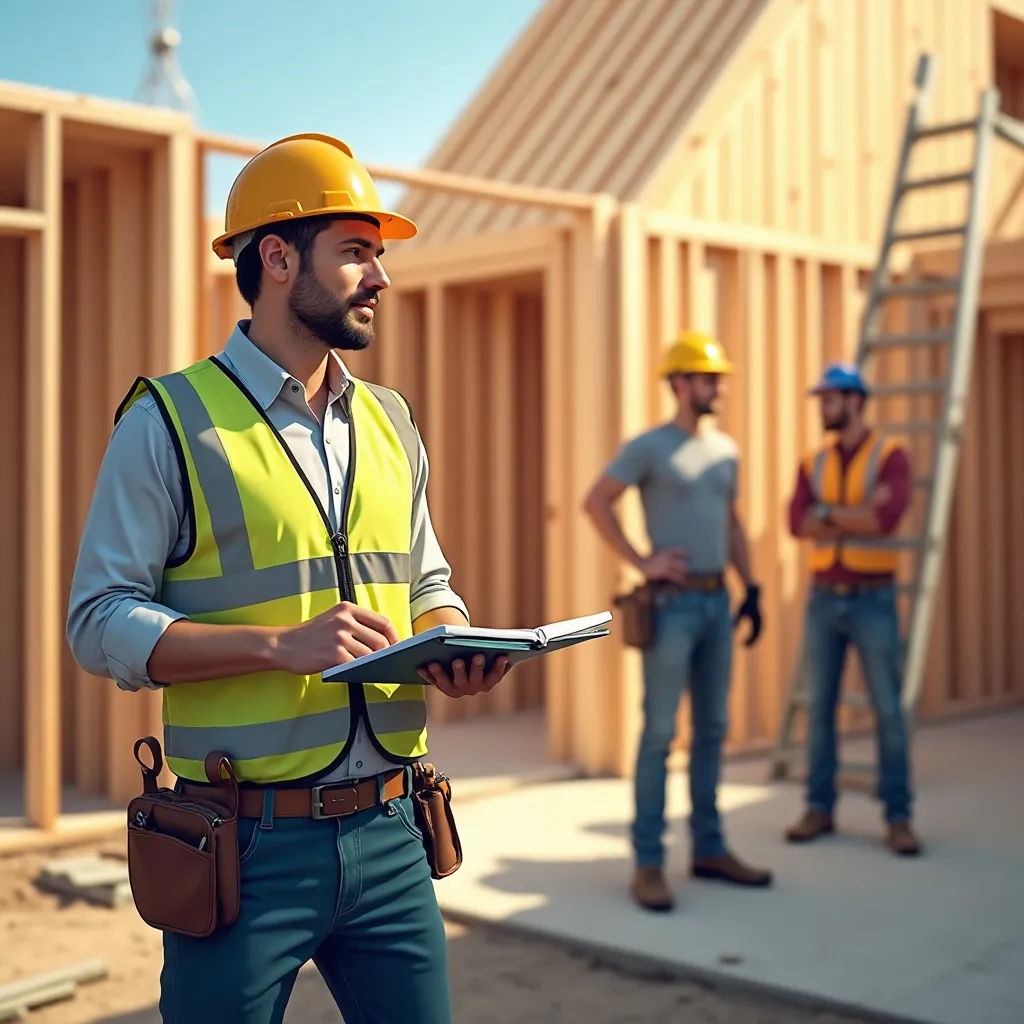
Ordinary Issues in Selecting a General Contractor
When choosing a general contractor, prospective customers often face numerous typical challenges that can complicate the decision-making process. One major obstacle is the overwhelming number of options available, which can lead to uncertainty and hesitation. Clients may find it hard to differentiate between contractors based on qualifications, experience, and pricing, making it difficult to identify who will best meet their project needs.
Another obstacle is the lack of transparency in contractor proposals, where concealed expenses may emerge later, affecting the project finances. Furthermore, clients may face issues related to interaction; some contractors may fail to maintain client communication throughout the procedure, creating dissatisfaction. In conclusion, clients often struggle with confirming a contractor's references and previous projects, which can result in doubt about the level of service quality expected. These challenges require thorough deliberation and investigation to guarantee the right choice is selected.
Why a Solid Building Contractor Is Critical
A dependable general contractor plays an crucial role in ensuring project management productivity and maintaining quality assurance guidelines. Their skill helps streamline processes, minimizing delays and costs. Additionally, a trustworthy contractor upholds excellence, resulting in excellent workmanship and client satisfaction.
Enhance Project Organization Productivity
Efficient project handling is contingent upon the dependability of a general contractor. A dependable contractor ensures that deadlines are met, resources are properly allocated, and communication runs seamlessly among all stakeholders. Their capability to manage subcontractors, suppliers, and laborers directly influences the progress and overall success of the project. A trustworthy contractor minimizes delays and cost overruns This efficiency encourages collaboration, allowing adjustments and improvements as needed. Ultimately, the general contractor's dependability improves both project functions and trust among clients and team members, ensuring everyone stays aligned toward a successful outcome.
Quality Assurance Standards
Dependable general contractors serve a key role in ensuring quality assurance standards during the entire project. They guarantee that every task meets established guidelines and industry protocols, which is essential to the durability and safety of the structure. A competent contractor holds strict oversight over materials and workmanship, conducting regular inspections to detect and correct problems quickly. This proactive approach reduces risks linked to inferior construction, ultimately safeguarding the investment. Furthermore, a reliable contractor encourages communication among all stakeholders, guaranteeing clear and fulfilled expectations. By focusing on quality assurance, a skilled general contractor not only enhances the end product but also gains trust with clients, laying the groundwork for successful project results.
Examining a Contractor's Qualifications and Reputation
When evaluating a general construction professional, grasping their track record and reputation is crucial, as these factors significantly affect project outcomes. A contractor's experience typically shows their ability to manage various project types, intricacies, and hurdles. Reviewing their portfolio provides insight into past projects, showcasing skill and meticulous attention to specifics.
Moreover, standing plays a essential role in establishing trust. Prospective clients should examine internet testimonials, testimonials, and references to ascertain satisfaction levels from previous clients. Speaking with past customers can demonstrate the contractor's reliability, communication skills, and adherence to timelines and budgets.
Moreover, industry affiliations and endorsements can enhance a contractor's authenticity, indicating a devotion to superior work and ethical practices. By rigorously assessing both experience and prestige, clients can determine the best choice, ultimately setting the stage for a successful construction project.
Important Traits of a Honest Contractor
A dependable contractor regularly demonstrates honesty, openness, and strong interpersonal abilities. These essential traits create the foundation of a prosperous professional partnership. Integrity guarantees the contractor conforms to moral standards, offering truthful evaluations and practical schedules. Transparency entails fully disclosing project details, encompassing full details expenses and potential challenges, fostering confidence between the contractor and the customer.
Excellent interpersonal abilities permit the contractor to efficiently express ideas, listen to client needs, and resolve any concerns that arise during the project. Additionally, a trustworthy contractor showcases adaptability, adjusting to changes and unforeseen circumstances with poise and flexibility. Meticulous attention to detail is another important trait; it reflects a commitment to excellence and precision in every element of the work. Ultimately, these traits not only enhance project outcomes but also contribute to a positive experience for clients, making the hiring of a dependable contractor all the more essential.
Essential Questions When Engaging Your General Contractor?
How can a person ensure they pick the right general contractor for their project? By posing a set of specific questions, potential clients can more effectively evaluate candidates. To begin, asking about the contractor's experience with comparable work provides insight into their expertise. It's also vital to ask for references; communicating with previous clients can reveal the contractor's trustworthiness and work quality.
Following this, assessing licensing and insurance establishes that the contractor adheres to legal standards and protects the client from potential liabilities. Clients should further ask about timelines and project management approaches to gauge how the contractor intends to oversee the project efficiently.
Budget conversations are crucial; asking for a detailed estimate prevents surprise expenses later. Finally, understanding the contractor's preferred communication style can set the groundwork for a successful partnership. By tackling these important inquiries, clients can make informed decisions in choosing their general contractor.
The Importance of Interaction With Your Contractor
Effective interaction with a contractor is vital for assignment achievement. Defining transparent expectations and providing regular communications can eliminate misunderstandings that often lead to costly delays. Additionally, cultivating an open conversation builds rapport, ensuring a better working relationship throughout the building effort.
Defined Standards Drive Achievement
Setting definite expectations is key for a effective partnership with a general contractor. Transparent communication paves the way for understanding the project's goals, deadlines, and budget limits. When both sides share their needs and concerns, it reduces the chance of misunderstandings that could stop progress. A contractor who grasps the exact requirements can allocate resources efficiently and tackle potential problems proactively. Furthermore, having clear expectations promotes accountability, making sure that the contractor fulfills promises and that the homeowner stays engaged in the process. Prioritizing open communication from the start allows clients to improve partnership and satisfaction, ultimately resulting in a more efficient project delivery. Clear expectations optimize processes but also cultivate trust between the homeowner and the contractor.
Rapid Messages Prevent Misunderstandings
Clear expectations set the stage for efficient collaboration, but continuous communication is just as essential. Prompt updates from a general contractor can prevent misunderstandings that may arise during a project. When builders consistently share status updates, customers stay informed about timelines, budget changes, and possible challenges. This proactive interaction helps to align both sides' goals and minimizes the likelihood of conflicts later on. Additionally, when problems emerge, swift notification enables faster solutions, ensuring the project stays on schedule. By fostering a environment of transparent discourse, construction professionals demonstrate their dedication to the project's success, ultimately resulting in a smoother process and greater customer satisfaction. Therefore, prompt communications serve as a cornerstone for maintaining understanding and trust throughout the construction undertaking.
Open Dialogue Builds Trust
While a project advances, keeping an frank conversation with the primary contractor becomes vital for nurturing faith and cooperation. Solid communication guarantees that all parties have a thorough understanding of goals, deadlines, and potential challenges. When construction professionals and clients take part in regular discussions, it permits for the identification of concerns before they escalate, limiting disruptions. This clarity not only strengthens confidence but also boosts the overall project experience. Moreover, an open line of communication encourages feedback, empowering the contractor to make changes that align with the client's vision. Ultimately, robust dialogue establishes a foundation of mutual respect, which is critical for the effective completion of any construction project. Trust cultivated through dialogue leads to better outcomes for everyone involved.
Frequently Asked Questions
What ways can I employ to determine if a Contractor is certified?
To ascertain if a contractor is registered, one should consult local licensing boards or websites, validate their license number, and verify it's active. Additionally, reading web-based testimonials can deliver perspective on their reputation and consistency.
What Coverage Should My Contractor Carry?
A contractor needs to secure all-encompassing liability coverage, worker protection insurance, and, if applicable, professional liability insurance. These mitigate probable injury, job injuries, and errors in workmanship, ensuring financial protection for both the professional and the purchaser.
What's the Best Way to Examine a Contractor's Track Record?
To authenticate a contractor's references, one should demand a list of previous clients, connect with them directly, and ask about their testimonials. Also, investigating online reviews and ratings can present pertinent details into the contractor's dependability.
What Can I Take Action if Problems Occur During the Project?
If problems occur during the project, one should document the problems, communicate directly with the contractor, and find a solution. If required, bringing in a mediator or consulting a legal professional may also be appropriate.
Are There Warning Signs to Monitor During the Recruitment Process?
Problem indicators during the hiring process feature unclear pricing, absent references, weak communication, partial licenses, and negative online reviews. These clues suggest potential issues that might impact the project timeline and quality.
Report this page